Technology
AI Transcription Accuracy: The Complete 2026 Guide
The complete 2026 guide to AI transcription accuracy — how it is measured, why it drops, how to improve it, and which factors matter most. Includes practical examples and tool comparisons.
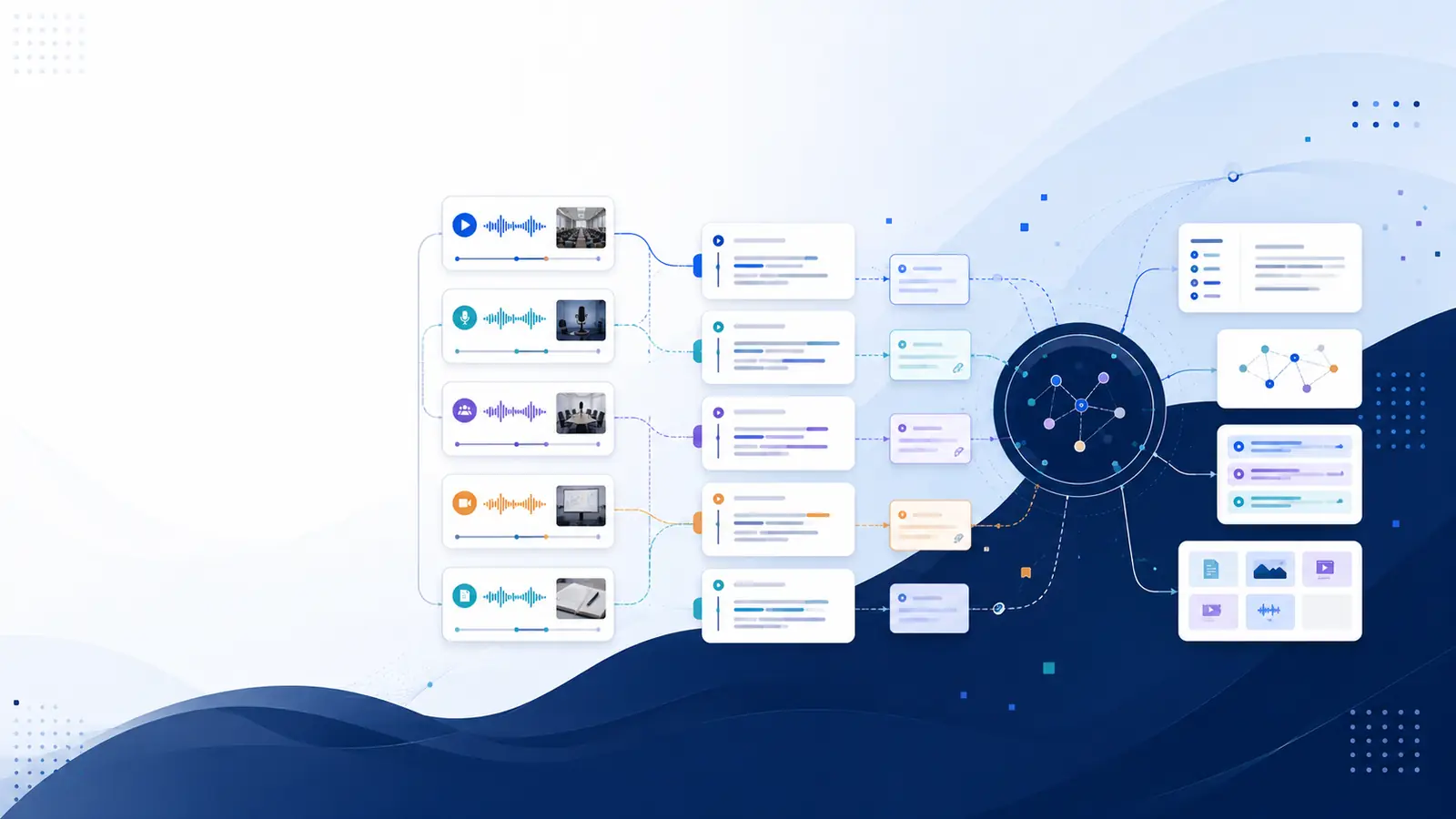
AI Transcription Accuracy: What It Really Means and How to Improve It in 2026
AI transcription tools are everywhere now. Podcasters, journalists, students, creators, and teams rely on them daily. But one question keeps coming up again and again:
“How accurate is AI transcription really?”
Most tools promise near-perfect accuracy, but users often see something very different when they open their transcript. Missing words. Wrong names. Confusing timestamps. Or entire sentences that don’t make sense.
So today, let’s break this down honestly.
What AI transcription accuracy actually means, why it drops, and what you can do to dramatically improve it.
What Is AI Transcription Accuracy?
AI transcription accuracy refers to how closely a generated transcript matches the original spoken audio. In simple terms, it answers one question:
“How many words did the AI get right?”
Accuracy is usually measured as a percentage. For example, 95% accuracy means 5 out of every 100 words may be incorrect.
But here’s the catch most tools don’t explain clearly:
Accuracy is not a fixed number.
It changes based on several real-world factors.
Why AI Transcription Accuracy Drops
Audio Quality
Background noise, echo, low mic quality, or overlapping speakers confuse even advanced AI models. Clean audio is the single biggest accuracy booster.Accents and Pronunciation
AI models are trained on massive datasets, but regional accents, mixed languages, and fast speech still reduce precision.Multiple Speakers
When two or more people speak at once, many tools fail to correctly separate voices, causing merged or incorrect sentences.Technical or Niche Vocabulary
Industry terms, product names, or uncommon words are often misinterpreted unless the AI is optimized for contextual learning.Long-Form Content
Accuracy tends to drop in long videos or podcasts if chunking and timestamp alignment are poorly handled.
What “High Accuracy” Really Looks Like
High transcription accuracy is not just about fewer spelling mistakes.
A truly accurate transcript should have:
Correct sentence structure
Proper punctuation
Clean speaker separation
Accurate timestamps
Contextual understanding (not robotic word dumping)
This is especially important for creators and professionals who repurpose transcripts into blogs, captions, reports, or research material.
How to Improve AI Transcription Accuracy
Here’s what actually works, regardless of the tool you use:
Start With Clean Audio
Use a decent microphone. Reduce background noise. Avoid recording in echo-heavy rooms.Avoid Overlapping Speech
Pause between speakers when possible. Even a one-second gap helps AI separate voices.Choose Tools That Support Smart Chunking
Long recordings should be processed in intelligent segments, not dumped into a single pass.Use Timestamped Transcripts
Timestamps help AI maintain context and allow humans to quickly verify and correct errors.Post-Processing Matters
The best tools don’t stop at transcription. They clean, structure, summarize, and make transcripts usable.
Why Accuracy Matters More Than Ever in 2026
AI transcripts are no longer just “notes.” They power:
Content repurposing
SEO blogs
Video search
Knowledge bases
Research and documentation
Training datasets
A low-quality transcript doesn’t just waste time. It spreads incorrect information.
Accuracy is no longer a “nice to have.” It’s foundational.
Where Modern Transcription Tools Are Headed
In 2026, the focus is shifting from raw transcription to intelligent understanding.
The best platforms are moving toward:
Context-aware transcription
Better speaker detection
Cleaner timestamps
AI summaries built on accurate text
Searchable knowledge layers on top of transcripts
This is where transcription stops being a utility and becomes infrastructure.
Final Thoughts
AI transcription accuracy is not about chasing a number like 99%.
It’s about producing transcripts that people can actually trust and use.
If your transcript still needs heavy manual cleanup, accuracy doesn’t matter on paper.
The future belongs to tools that combine speed, structure, timestamps, and clarity — not just fast word conversion.