Technology
Why Long Videos Feel Overwhelming (And How to Learn From Them Faster)
Introduction: When Video Becomes Too Much Videos are everywhere. Meetings are recorded. Lectures are hours long. Tutorials keep getting longer. At first, video feels helpful. But over time, it starts feeling heavy .
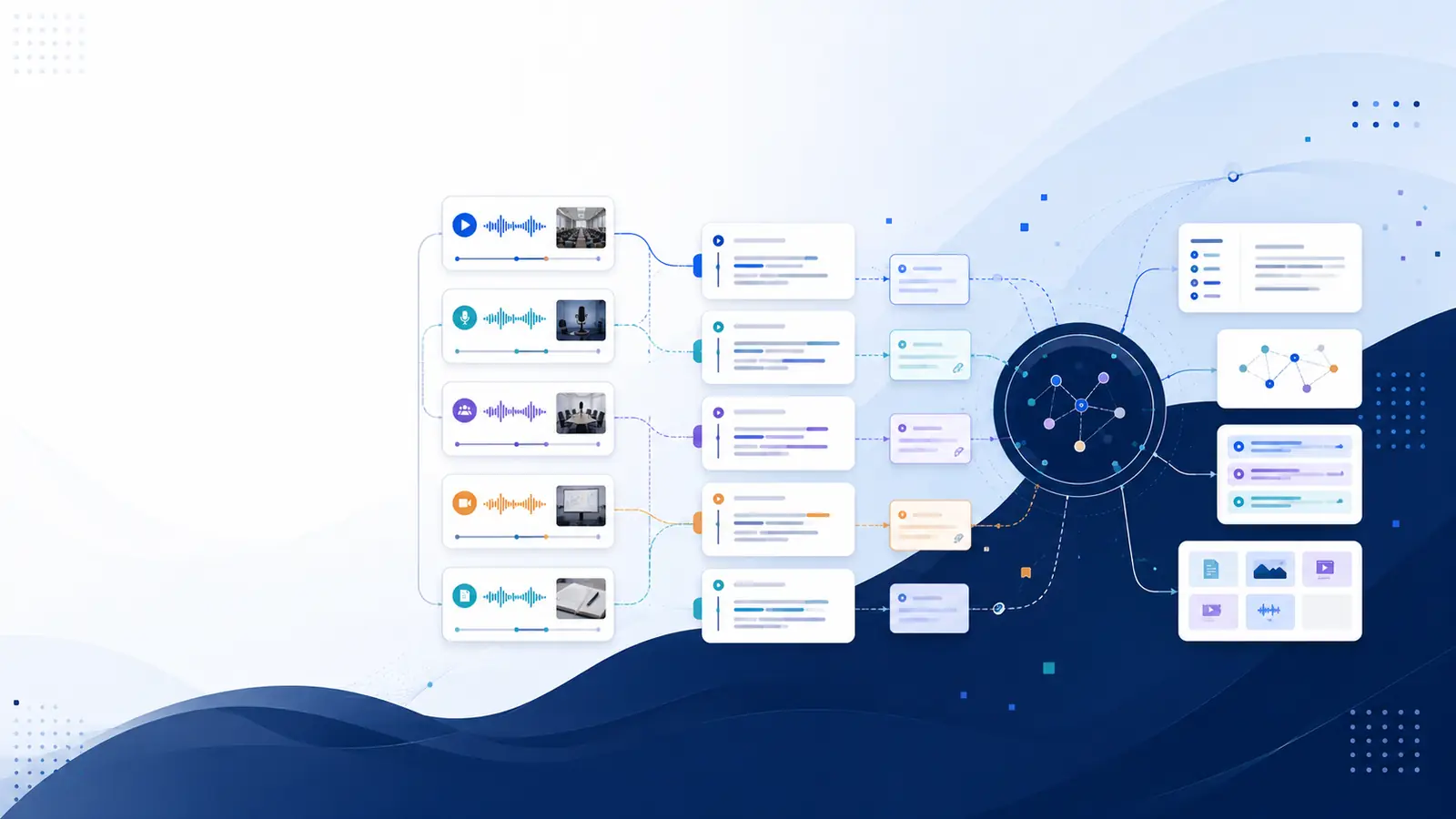
Introduction: When Video Becomes Too Much
Videos are everywhere.
Meetings are recorded.
Lectures are hours long.
Tutorials keep getting longer.
At first, video feels helpful.
But over time, it starts feeling heavy.
You open a recording with good intentions…
and close it halfway through, unsure where to continue.
This isn’t laziness.
It’s a design problem.
Why Long Videos Feel Mentally Exhausting
Long videos demand continuous attention.
Unlike text, you can’t:
Scan ahead
Jump easily between ideas
Control how information is revealed
Your brain is forced to:
Listen constantly
Hold context in memory
Decide what matters in real time
This creates cognitive overload — especially when videos are dense with information.
The Real Issue Isn’t Length — It’s Navigation
Most people assume long videos are the problem.
They’re not.
The real issue is that videos lack:
Clear entry points
Easy exit points
Simple ways to return later
So when you stop watching, restarting feels costly.
That’s why people procrastinate or avoid revisiting recordings altogether.
How People Try (and Fail) to Cope
To deal with long videos, people usually:
Speed up playback
Take rushed notes
Rewatch sections repeatedly
Rely on memory
These methods feel productive, but they rarely reduce effort.
They just shift the burden.
What Actually Makes Video Easier to Learn From
Video becomes manageable when it behaves more like text.
That means:
You can search for keywords
You can jump to exact moments
You can revisit only what matters
You don’t have to start from the beginning
When navigation improves, learning feels lighter.
Why Search Changes Everything
Search removes pressure.
Instead of thinking:
“Where was that explained?”
you simply find it.
Instead of rewatching:
you locate.
This transforms long videos from something you must endure
into something you can use on demand.
Who Benefits the Most From This Shift
Students
They can revise lectures without replaying hours of content.
Professionals
They can locate decisions and discussions inside meetings.
Educators & Creators
They can make long content reusable instead of overwhelming.
Across all cases, learning becomes intentional instead of exhausting.
How Libraryminds Helps Reduce Video Overload
Libraryminds is built to make long recordings easier to work with.
It helps users:
Turn video and audio into text
Search inside recordings
Jump to exact moments
Revisit information without replaying everything
The goal isn’t to watch less content —
it’s to reduce mental strain while learning.
Final Thoughts
Long videos aren’t going away.
But the way we interact with them must change.
When recordings are easy to navigate, learning feels calm again.
And when learning feels calm, people actually finish what they start.
Try Libraryminds for free — upload once, understand everything.