Information
AI Transcription for Students: How to Study Smarter in 2026
Why Students Struggle with Video Lectures In 2026, most learning happens through videos — online classes, YouTube lectures, recorded sessions, webinars.
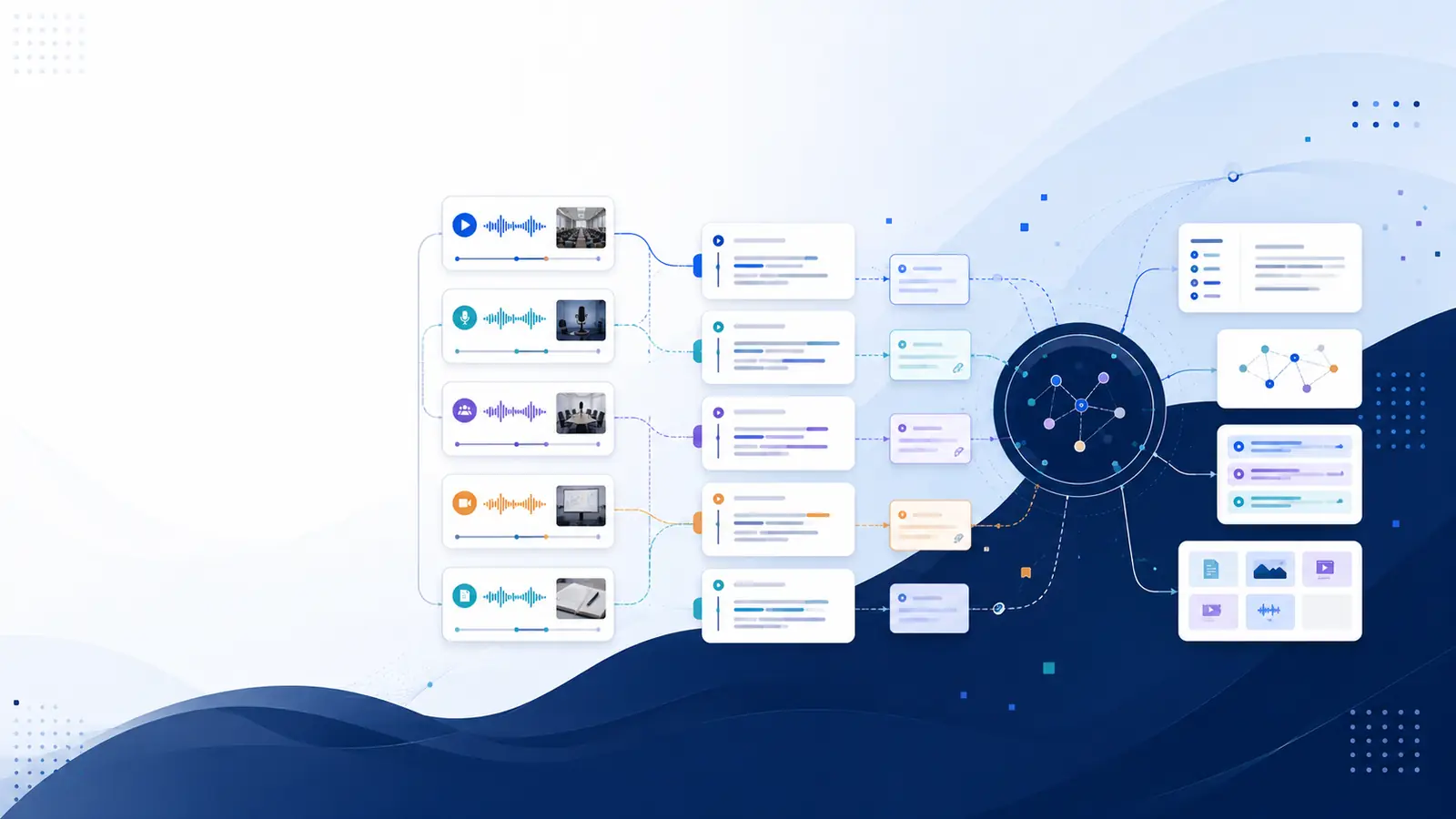
Why Students Struggle with Video Lectures
In 2026, most learning happens through videos — online classes, YouTube lectures, recorded sessions, webinars.
But students face the same problems everywhere:
Long lectures are hard to revise
Important points get missed
Rewatching videos wastes time
Notes are incomplete or unclear
Watching is easy. Revising is not.
This is why AI transcription is becoming a must-have study tool for students.
What Is AI Transcription for Students?
AI transcription converts spoken lectures into accurate, readable text automatically.
Modern AI transcription gives students:
⏱️ Timestamps to jump to exact moments
🔍 Searchable notes instead of full videos
🗣️ Clear speaker identification
Instead of watching a 1-hour lecture again, you search a keyword and reach the answer in seconds.
Why AI Transcription Is a Game-Changer for Studying
Here’s how students benefit immediately:
📚 Faster revision
Search topics instead of rewatching videos.
🧠 Better understanding
Read + listen when needed.
⏳ Huge time savings
Cut revision time by hours every week.
📝 Cleaner notes
No missed points or half-written sentences.
AI transcription turns lectures into study material, not just recordings.
How Students Use AI Transcription Step-by-Step
This is how most students use it in real life:
Step 1: Upload the Lecture Video or Audio
This can be a class recording, YouTube lecture, or webinar.
Step 2: AI Converts Speech to Text
Libraryminds generates:
⏱️ Word-level timestamps
🗣️ Speaker identification
🧼 Clean vs raw transcript options
📊 Transcript quality score
Step 3: Search & Revise
Type a topic → jump to the exact explanation.
Step 4: Download Notes
Export transcripts as TXT for study or SRT/VTT if needed.
AI Transcription vs Traditional Note-Taking
Traditional notes:
❌ Miss information
❌ Depend on writing speed
❌ Hard to revise
AI transcription:
✅ Captures everything
✅ Searchable anytime
✅ Accurate & structured
✅ Easy to reuse
Once students try searchable transcripts, they rarely go back.
Who Benefits the Most from AI Transcription?
🎓 College & University Students
• Lecture-heavy courses
• Exam revision
📘 Online Course Learners
• Self-paced learning
• Concept revision
🎥 YouTube Learners
• Free educational content
• Competitive exam prep
📚 Research & Interview Prep
• Accurate quoting
• Context retention
Why Libraryminds Works Best for Students
Libraryminds is built for learning and understanding, not just transcription.
Students get:
⏱️ Word-level timestamps
🔍 Timeline-based search
🗣️ Speaker detection
🧼 Clean vs raw transcript toggle
📥 Multiple download formats
📊 Enhanced transcript quality score
💳 Transparent, student-friendly usage pricing
Perfect for lectures, tutorials, and study videos.
Is AI Transcription Free for Students?
Yes.
With Libraryminds, students can:
✔ Try transcription for free
✔ Upload long lectures
✔ Search notes instantly
✔ Download transcripts
No credit card required to start.
Frequently Asked Questions
Is AI transcription accurate enough for studying?
Yes, especially when combined with timestamps and quality scoring.
Can I transcribe YouTube lectures?
Yes. Educational YouTube videos are fully supported.
Does this work for long classes?
Yes. Multi-hour lectures work well.
Can I use transcripts as notes?
Absolutely. Many students use them as primary notes.
Final Thoughts
In 2026, studying smarter matters more than studying longer.
AI transcription helps students:
Save time
Revise faster
Understand better
Stress less
Instead of rewatching videos, search your notes and move forward.
Try Libraryminds for free — upload once, understand everything.