Information
Podcast Transcription in 2026: How to Turn Episodes into Searchable Content
Why Podcasts Are Hard to Revisit Podcasts are one of the fastest-growing content formats in 2026. But they come with one major limitation — audio is not searchable .
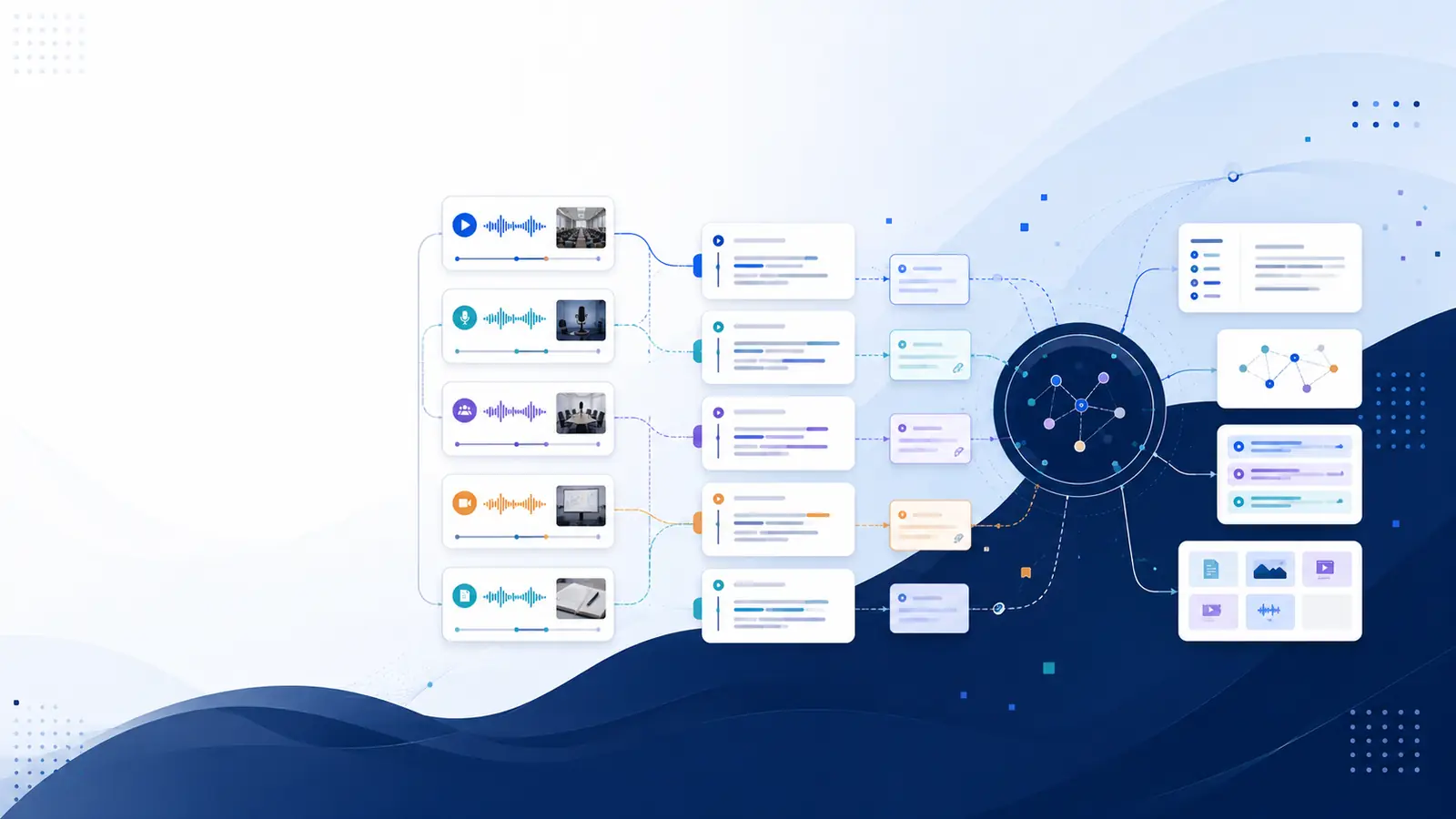
Why Podcasts Are Hard to Revisit
Podcasts are one of the fastest-growing content formats in 2026.
But they come with one major limitation — audio is not searchable.
If you want to:
Find one insight from a 90-minute episode
Quote a guest accurately
Reuse podcast content for blogs or social posts
You’re forced to relisten again and again.
This is why podcast transcription has become essential, not optional.
What Is Podcast Transcription?
Podcast transcription is the process of converting spoken audio into accurate text.
With modern AI transcription, podcasts become:
🔍 Searchable by keyword
⏱️ Timestamped for quick navigation
🗣️ Speaker-identified for clarity
Instead of listening end-to-end, you can jump directly to the moment that matters.
Why Podcast Transcription Matters in 2026
In 2026, podcasts are no longer just for listening — they’re content assets.
Transcribing podcasts helps you:
⏱️ Save hours of listening time
📈 Improve discoverability
📝 Create written content faster
🎯 Reuse episodes across platforms
🔍 Find insights instantly
Audio without text is invisible to search engines.
Transcripts unlock that hidden value.
Who Benefits from Podcast Transcription?
🎙️ Podcast Hosts
• Turn episodes into blogs and newsletters
• Improve SEO and reach
• Create highlights and clips faster
✍️ Content Marketers
• Repurpose podcast insights
• Extract quotes and summaries
• Maintain consistent publishing
📰 Journalists & Researchers
• Quote interviews accurately
• Verify statements quickly
• Maintain context
🧑💼 Business Teams
• Document discussions
• Review insights asynchronously
• Share exact references
How Podcast Transcription Works (Step-by-Step)
You don’t need editing skills or complex software.
Step 1: Upload the Podcast Audio or Video
Upload your podcast episode to LibraryMinds.
Step 2: AI Processes the Audio Automatically
LibraryMinds generates:
⏱️ Word-level timestamps
🗣️ Speaker identification
🧼 Clean and raw transcript versions
📊 Transcript quality score
Step 3: Search and Navigate the Transcript
Type a word or topic → jump to that exact moment.
Step 4: Download or Reuse the Transcript
Export as TXT for blogs, or SRT/VTT for captions and subtitles.
Podcast Transcription vs Manual Listening
Manual listening:
❌ Time-consuming
❌ Easy to miss details
❌ Hard to reference
Podcast transcription:
✅ Fast
✅ Searchable
✅ Accurate
✅ Reusable
Once a podcast is transcribed, it becomes a permanent knowledge resource.
Libraryminds Advantage for Podcast Transcription
Libraryminds is built for people who work with long-form content.
Key capabilities include:
⏱️ Word-level timestamps
🗣️ Speaker identification
🔍 Timeline-based search
🧼 Clean vs raw transcript toggle
📥 Multiple download formats (TXT, SRT, VTT)
📊 Enhanced transcript quality score
💳 Transparent usage-based pricing
Ideal for podcasts, interviews, panel discussions, and long conversations.
Is Podcast Transcription Free and Fast?
Yes.
With Libraryminds, you can:
✔ Try transcription for free
✔ Process long podcast episodes
✔ Search content instantly
✔ Download transcripts anytime
No credit card required to get started.
Frequently Asked Questions
Can podcasts really help with SEO?
Yes. Transcripts allow search engines to index podcast content.
Does this work for long episodes?
Yes. Multi-hour podcasts are fully supported.
Can I identify different speakers?
Yes. Libraryminds automatically detects speakers.
Can I reuse transcripts for blogs?
Absolutely. This is one of the biggest benefits.
Final Thoughts
Podcasts are powerful — but only if their content is accessible.
In 2026, podcast transcription is the smartest way to:
Increase reach
Save time
Reuse content
Build searchable knowledge
Libraryminds helps turn podcast audio into content you can search, reuse, and grow with.
Try Libraryminds for free — upload once, understand everything.