Meetings
Why Teams Forget Important Decisions After Meetings
Introduction: The Cost of Forgotten Decisions Most teams don’t forget to meet . They forget what they decided after the meeting. A discussion happens. Agreement feels clear. Everyone leaves aligned.
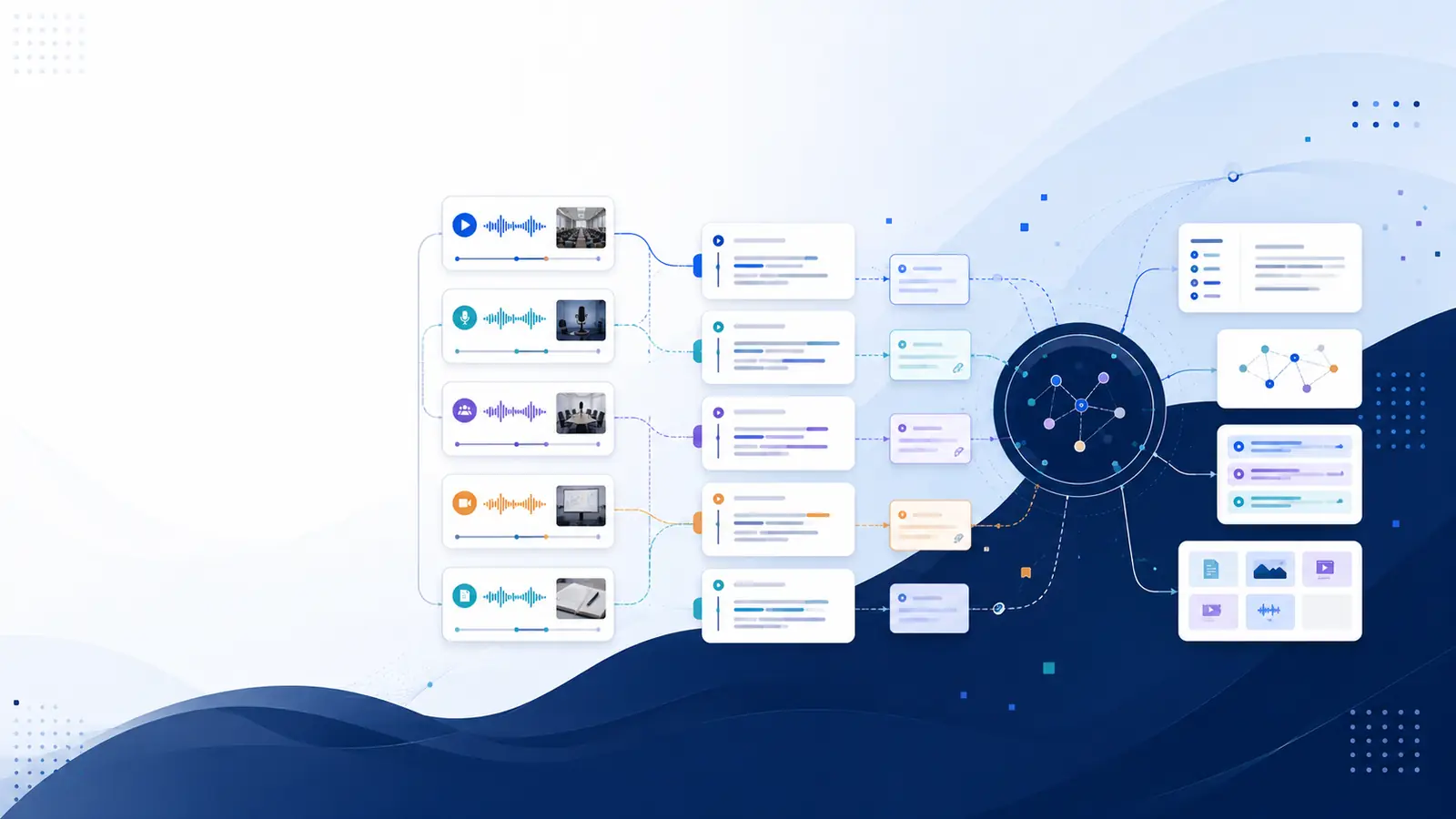
Introduction: The Cost of Forgotten Decisions
Most teams don’t forget to meet.
They forget what they decided after the meeting.
A discussion happens.
Agreement feels clear.
Everyone leaves aligned.
Then days later, questions start appearing:
“Did we agree on this?”
“Who was responsible?”
“Was that decision final?”
This isn’t a communication failure.
It’s a documentation failure.
Why Teams Forget Decisions After Meetings
1. Decisions Are Rarely Isolated Moments
In most meetings, decisions:
Happen mid-conversation
Are implied, not announced clearly
Get buried inside long discussions
Without clear structure, decisions blend into context.
Later, no one remembers the exact moment it was made.
2. Memory Is a Weak System for Teams
Teams often rely on:
Personal recall
Chat messages
Follow-up emails
But memory:
Fades quickly
Differs between people
Is unreliable under pressure
When decisions live only in people’s heads, they don’t last.
3. Recordings Don’t Solve Retrieval
Recording a meeting captures everything —
but it doesn’t make anything easy to find.
When someone needs to verify a decision, they face:
A 60–90 minute video
No search
No clear markers
So they either guess — or avoid checking at all.
The Hidden Risk of Lost Meeting Decisions
When decisions are forgotten, teams experience:
Repeated discussions
Conflicting actions
Delayed execution
Quiet frustration
The process of decision-making itself can contribute to this forget
Sources reviewed: sc.edu, dcyf.wa.gov.
Why Meeting Notes Alone Aren’t Enough
Meeting notes help, but they have limits:
They’re selective
They depend on the note-taker
They often miss nuance or context
Notes summarize outcomes, but they rarely preserve:
How a decision was reached
What assumptions were discussed
What alternatives were rejected
That missing context matters later.
What Actually Prevents Decision Loss
Teams need documentation that is:
Searchable
Context-preserving
Easy to revisit
This is where searchable meeting transcripts become critical.
When meetings are transcribed into text:
Decisions can be found by keyword
Context is preserved around the decision
The exact moment can be revisited
📸 Screenshot reference: Searching a transcript for a decision keyword and jumping to the timestamp
How Searchable Transcripts Change Follow-Ups
With searchable transcripts, teams can:
Confirm decisions instead of debating memory
Resolve disagreements with facts
Reduce unnecessary follow-up meetings
Onboard new members with clarity
Meetings stop being one-time events and start becoming references.
Where Libraryminds Fits In
Libraryminds is built for teams that want meetings to create lasting clarity, not confusion.
It supports:
AI transcription with word-level timestamps
Timeline-based search to locate decisions instantly
Speaker identification for accountability
Clean vs raw transcript toggle for readability
Enhanced transcript quality score
Downloads in TXT, SRT, VTT
Transparent, usage-based billing
190 free minutes every month (no credit card)
📸 Screenshot reference: Decision discussion highlighted in a searchable transcript
This makes it possible to verify decisions without replaying meetings.
Real Use Cases
🧑💼 Managers
Verify agreements before execution.
🧠 Operations Teams
Track commitments and ownership.
🧑💻 Remote Teams
Reduce misalignment across time zones.
📊 Leadership
Maintain a reliable decision history.
FAQs
Why do teams argue about past decisions?
Because decisions aren’t documented in a searchable, accessible way.
Are meeting recordings enough to track decisions?
No. Recordings capture conversations but don’t support quick retrieval.
What’s the best way to track meeting decisions?
Searchable transcripts with timestamps and speaker context.
Do transcripts replace meeting notes?
They complement notes by preserving full context and verifiability.
Final Thoughts
Meetings aren’t failing because people don’t talk enough.
They fail because decisions don’t survive beyond the conversation.
When teams move from raw recordings to searchable documentation, decisions stop disappearing — and work moves faster with less friction.
Related reading
👉 Try Libraryminds for free — upload once, understand everything.